
Ganoderma multipileum “TF05”
Ganoderma multipileum is a tropical treasure from the Reishi complex. Its name, which literally means “with multiple caps,” sets the tone: it is a mushroom with extravagant aesthetics. Long confused with the classic red Reishi, it stands out with its fascinating morphology and exceptional heat tolerance. The specific TF05 strain elevates these characteristics to an art form: selected for its extraordinary mycelial vigor and visual mutations, it has become a true icon in the world of artisanal mycology and bio-design.
History
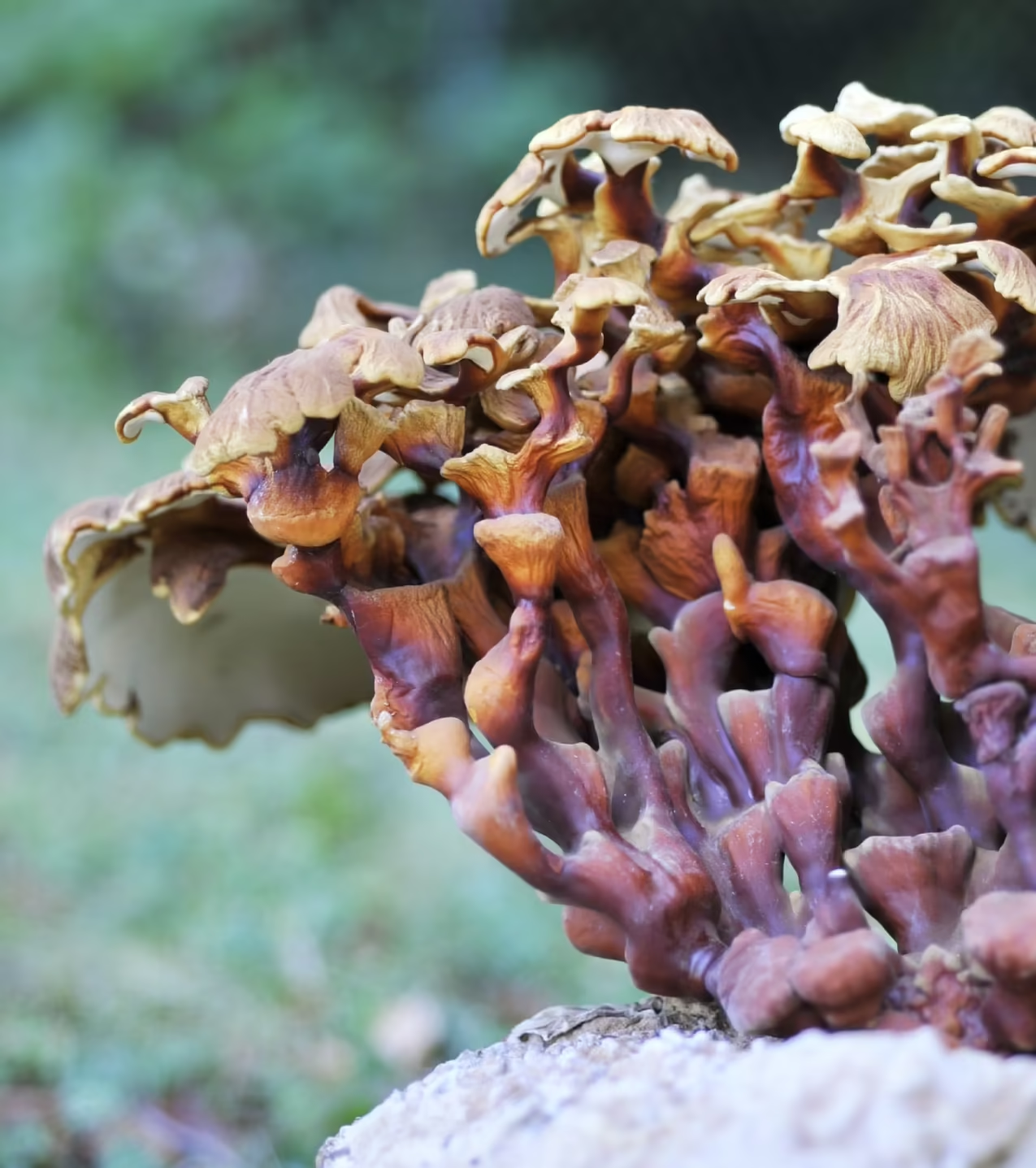
Origin and natural habitat: Unlike the temperate lucidum, Ganoderma multipileum is a tropical and subtropical species, native to Asia (notably Taiwan and southern China). This wood-decaying fungus favors hot and humid environments, colonizing hardwood stumps. Botanically, it has the unique ability to form secondary fruiting bodies directly on its main cap, creating spectacular tiered structures.
Modern genetics (The TF05 strain): Historically grouped under the generic name “Reishi,” it wasn’t until the early 2000s that molecular genetics elevated it to the rank of a distinct species. The TF05 strain, for its part, is a masterpiece of contemporary selection. Isolated and stabilized by the renowned independent American laboratory Terrestrial Fungi, it was specifically selected for its aggressive growth, resilience, and propensity to create mutant morphologies (notably the “Antler” shape).
Known Medicinal Compounds
Given that Ganoderma multipileum was only officially separated from Ganoderma lucidum in 2009 through molecular genetics, its specific biochemical profile is just beginning to be documented under its true name. However, early modern analyses confirm that it shares the chemical signature of the great Asian Reishis:
Triterpenoids and Polysaccharides: The few recent phytochemical studies dedicated to it have isolated ganoderic acids and complex sugars, confirming a real antioxidant potential in vitro, although the literature specifically targeting this genetics remains very limited.
Functional Properties and Well-being
For the sake of scientific rigor, it must be specified that clinical research (on humans) exclusively targeting Ganoderma multipileum is virtually nonexistent to date. While populations in tropical Asia have traditionally consumed it for centuries as a global tonic (thinking they were harvesting lucidum), modern Western science is only at the stage of exploring its extracts in the laboratory. Today, it represents a fascinating field of study for mycologists and biomaterial creators, far more than a standardized therapeutic solution.
For the curious, here is the PubMed link compiling the (rare) specific research on this subject:
Disclaimer:
It is important to remember that studies on the therapeutic properties of these mushrooms are still ongoing. The information contained on our website does not replace professional medical advice and should not be used to diagnose, treat, or prevent diseases. Please consult a physician before using Ganoderma multipileum for medicinal purposes. Additionally, results may vary from person to person.
Legal Note and Home Cultivation: In Switzerland as in the European Union, with the exception of Ganoderma lucidum, other species of the genus such as Ganoderma multipileum are subject to “Novel Food” regulations. Consequently, we are prohibited from selling it in the form of ready-to-use extracts or dietary supplements. However, the law absolutely does not forbid you from cultivating it yourself!
The sale of our mushroom mycelium (TF05 strain) is 100% legal: it allows you to grow this magnificent fungus directly at home, whether you want to dive into bio-design or make your own “homemade” preparations for strictly personal use.
Mycomaterials and Bio-design
If other Ganoderma species are the “heavyweights” of construction, the TF05 strain of Ganoderma multipileum is the undisputed star of bio-art and material aesthetics.
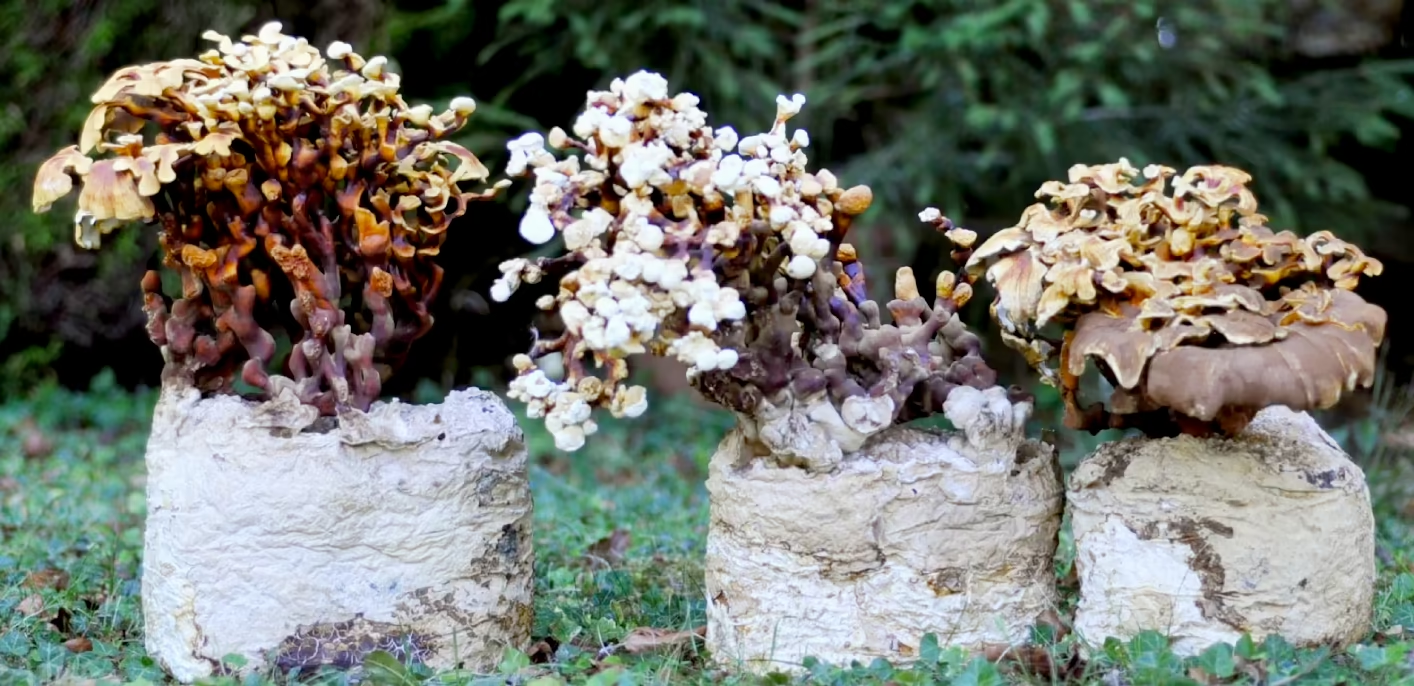
When cultivated on a wood-based substrate, its mycelium is formidably aggressive and fast, agglomerating the material to create very dense composites. But its true magic lies in its extreme “morphological plasticity.” By playing with CO2 levels and light during incubation, this strain can be forced to develop incredible antler-shaped structures, small multiple lacquered caps growing directly out of the biomaterial, or even dozens of mutant globular outgrowths. This last formation is so spectacular and prolific that it has earned the affectionate nickname “Popcorn-tree” at FloydFungi!
It is the genetics of choice for creating living decorative objects, organic sculptures, or complex molds. Experimenting with TF05 at home means touching the boundary between material engineering and contemporary art! The precise parameters for mastering these visual mutations are, in fact, the subject of specialized introductory and advanced workshops!